Deaths Mount as Iran Protests Spiral, World Leaders Warn of Dangerous Escalation
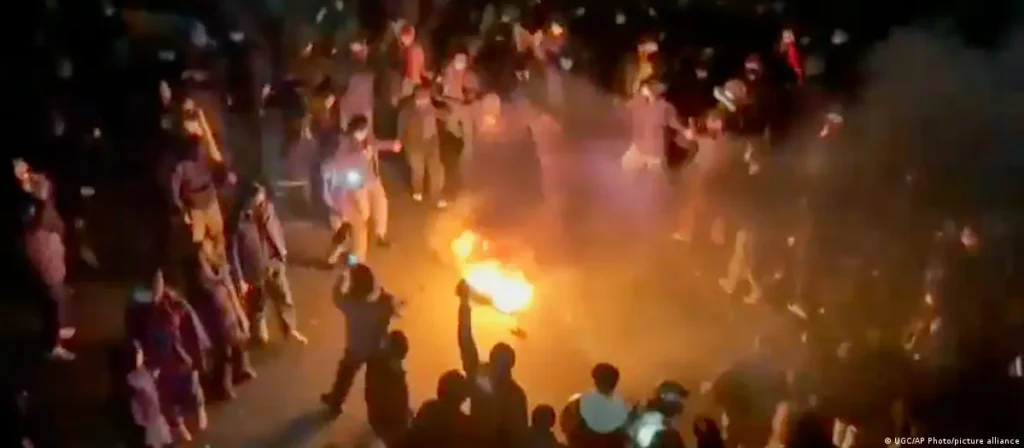
Almost 650 protesters have been killed in nationwide demonstrations that have rocked Iran since December 28, triggering sharp reactions from global leaders and raising fears of a wider international crisis.Trump Threatens ‘Very Strong Options’ as Iran Protests Turn Deadly, Air Strikes Still on the Table
On Wednesday, tensions escalated further as US and Iranian leaders traded tough words over the unfolding situation.
US President Donald Trump warned that Washington is weighing “very strong options” to respond, after repeatedly saying he would act if protesters continued to be killed.

Iran’s Supreme Leader Ayatollah Ali Khamenei, meanwhile, hit back at what he called American “deceit” and praised state-backed pro-government rallies held across Iran earlier in the day.
Iran Protests Turn Deadly, International Community Braces for Fallou
Adding to the uncertainty, White House Press Secretary Karoline Leavitt said in the past hour that air strikes remain one of the options Trump is considering.

Iran Protests Turn Deadly, International Community
BBC diplomatic correspondent Paul Adams says Trump is now facing a difficult choice — whether to follow through on his warnings or risk appearing weak while Iranian protesters continue to be gunned down.
At the same time, BBC Verify has been examining footage from the deadly protests as well as visuals from a mortuary in Tehran, shedding light on the scale of the violence.
Iran is also grappling with a near-total internet blackout, which has forced residents offline for more than 96 hours. Journalists from BBC Persian have spoken to Iranians about how the digital shutdown is affecting daily life and communication.
If you’re trying to understand the bigger picture, our experts earlier tackled key questions, including:
- Is this the biggest threat to Iran’s Islamic Republic since it was formed?
- What exactly is Donald Trump saying, and will he intervene?
- What weapons and capabilities does Iran still have?
We are pausing our live coverage for now, but you can continue following updates through our main news story and analysis from our international correspondent.
‘Air Strikes One of Many, Many Options on the Table for Trump’: White House
White House Press Secretary Karoline Leavitt has confirmed that President Donald Trump is still keeping air strikes as a possible response to the crisis in Iran.
Speaking to reporters, Leavitt said:
“One thing President Trump is very good at is always keeping all of his options on the table. And air strikes would be one of the many, many options that are on the table.”
She stressed that diplomacy remains Trump’s first choice, but added that the president is “unafraid to use the lethal force and might” of the US military if he believes it is necessary.
According to Leavitt, Iran understands this clearly, pointing to US strikes last summer on three Iranian nuclear sites, which Trump said caused “monumental damage”.
Air Strikes One of Many, Many Options on the Table for Trump’: White House
Responding to claims of victory from Iran’s Supreme Leader earlier in the day, Leavitt told reporters:
“What you’re hearing publicly from the Iranian regime is quite different from the messages the administration is receiving privately.”
Private Messages Tell a Different Story as Tehran Softens Tone Behind Closed Doors
She revealed that a behind-the-scenes outreach from Tehran suggests a possible shift in Iran’s diplomatic posture, at least in private conversations. According to her, an Iranian official recently contacted US envoy Steve Witkoff, and the message struck a noticeably different chord from Iran’s usual hardline public rhetoric.
Describing the exchange, she said the communication was calmer, more measured, and hinted at openness rather than confrontation. This softer tone, she noted, stood in sharp contrast to Iran’s official statements, which have often been defiant and uncompromising when aired publicly. While she did not disclose details of the message or its timing, the revelation has sparked speculation about whether Iran is exploring quiet diplomatic channels to ease tensions with Washington.

Observers say such backchannel communications are not unusual during periods of strained relations, but a change in tone could signal a tactical recalibration by Tehran, even as its public messaging remains tough and unyielding.