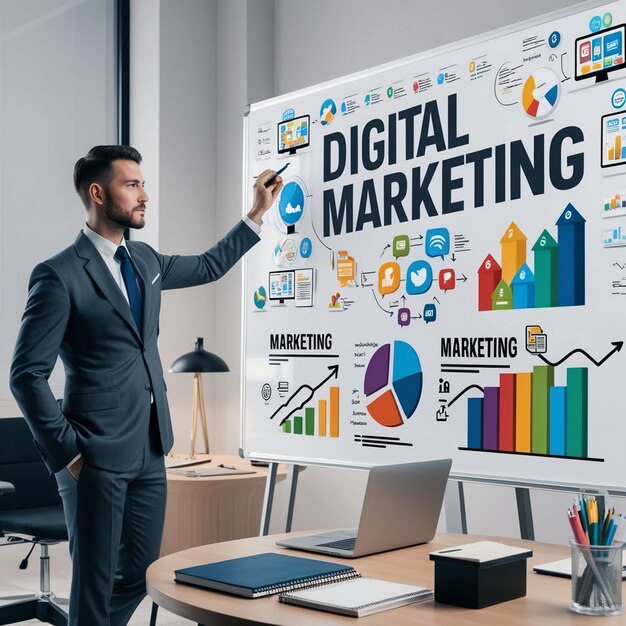
The digital marketing landscape has undergone a seismic shift in recent years, with businesses across industries scrambling to adapt to rapidly evolving consumer behaviors and technological innovations. As we navigate through 2026, companies are discovering that traditional marketing approaches are no longer sufficient to capture and retain customer attention in an increasingly saturated digital ecosystem.

The rise of artificial intelligence, machine learning algorithms, and sophisticated data analytics has fundamentally altered how brands connect with their target audiences. Marketing professionals are now leveraging these cutting-edge technologies to create hyper-personalized campaigns that resonate with individual consumers on a previously unimaginable scale.
Social media platforms continue to dominate the digital marketing sphere, with video content emerging as the undisputed champion of engagement rates. Short-form videos, particularly on platforms like Instagram Reels and TikTok, have proven to generate significantly higher interaction rates compared to static images or text-based posts.
Search engine optimization strategies have also evolved dramatically, with Google’s latest algorithm updates prioritizing user experience metrics, page loading speeds, and mobile responsiveness. Businesses that fail to optimize their digital presence for these factors risk losing valuable organic traffic and potential customers to more technologically savvy competitors.
The integration of voice search technology and smart speakers has created new opportunities for brands to reach consumers through conversational marketing approaches. Companies are now optimizing their content for voice queries, which tend to be longer and more conversational than traditional text-based searches.
Email marketing, despite being one of the oldest digital marketing channels, has experienced a remarkable renaissance through automation and personalization technologies. Modern email campaigns now utilize behavioral triggers, dynamic content, and advanced segmentation techniques to deliver highly relevant messages at optimal times.
Influencer marketing has matured into a sophisticated industry, with brands moving beyond celebrity endorsements to collaborate with micro- and nano-influencers who boast higher engagement rates and more authentic connections with niche audiences. This shift has democratized brand partnerships while delivering more measurable returns on investment.
The importance of data privacy and transparent communication has become paramount following recent regulatory changes and growing consumer awareness about digital privacy rights. Successful brands are now prioritizing ethical data collection practices and clear communication about how customer information is utilized.
As businesses continue to navigate this digital transformation, the companies that embrace innovation, prioritize customer experience, and maintain authentic brand voices are positioned to thrive in an increasingly competitive marketplace. The future belongs to organizations that can seamlessly blend technological capabilities with human creativity and genuine customer value.